
Mobile Ultrasound
Moderate coffee drinking may be linked to reduced risk of death – News on Heart.org
Bystander CPR on kids increasing, survival odds improve for some – News on Heart.org
Just one energy drink may boost heart disease risk in young adults – News on Heart.org
Improving the Accuracy of Effective Orifice Area Assessment after Transcatheter Aortic Valve Replacement: Validation of Left Ventricular Outflow Tract Diameter and Pulsed-Wave Doppler Location and Impact of Three-Dimensional Measurements – Journal of the American Society of Echocardiography

Cardiologists begin implanting patients with the Watchman device
Hospitals across the U.S. are beginning to implant patients with the Watchman left atrial appendage closure device, which the FDA approved in March.
Source: Cardiologists begin implanting patients with the Watchman device
New Study Shows Why It’s Massively Important to Have a Good Attitude
 Could a grin on your face be your ticker’s saving grace? In a new study at Penn State University, scientists looked at more than 1,000 people with coronary heart disease over a 5-year period. Patients who reported having higher levels of positive emotions like determination, excitement, and enthusiasm were more likely to exercise, sleep better, and avoid smoking. Not surprisingly, those three measures can all reduce your risk of heart disease, according to previous research.
Source: New Study Shows Why It’s Massively Important to Have a Good Attitude
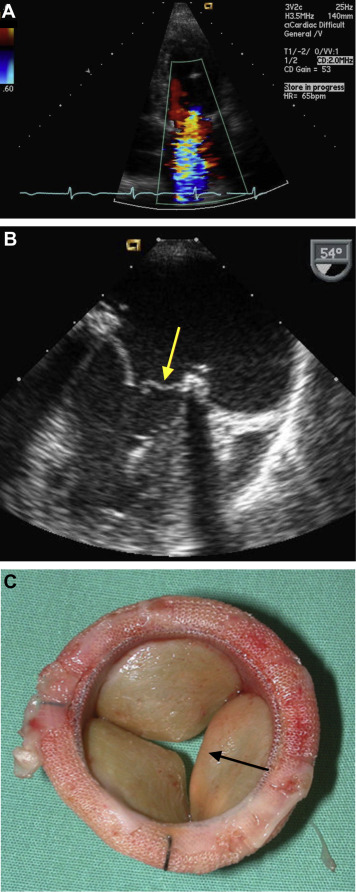
Early Bioprosthetic Valve Failure: Mechanistic Insights via Correlation between Echocardiographic and Operative Findings – Journal of the American Society of Echocardiography

Who’s Affected by Atrial Fibrillation
Who Is Affected by Atrial Fibrillation?
Strain echocardiography identifies impaired longitudinal systolic function in patients with septic shock and preserved ejection fraction
Myocardial dysfunction is recognized in sepsis. We hypothesized that mechanical left (LV) and right (RV) ventricular function analysed using 2-dimensional speckle-tracking echocardiography in a cohort of early severe sepsis or septic shock patients, would be different to that of a group of critically ill, non-septic patients.
 Chicago's Mobile Ultrasound and Echo Service